

The Asian video market is undergoing a massive transformation, fundamentally moving away from traditional broadcast television towards dynamic online video consumption, with mobile devices leading the charge. This seismic shift is not just changing where and how people watch; it’s reshaping production, monetisation, and the very nature of content itself. While traditional TV revenue is set to shrink, online video income is poised for significant growth, driven largely by advertising.

Watching phone content our way
Mobile is Non-Negotiable
In Asia, the smartphone is the primary screen for video. Most Asians are watching video content right on their mobile devices. India, for example, is described as a “mobile-first country”. This mobile-centric behavior underscores the need for content and platforms to be optimised for small screens and on-the-go consumption.
Short-Form Video is the Reigning King Across Generations
Once considered the domain of the youth, short-form video has exploded across all age groups in APAC, fundamentally altering content creation and marketing strategies. Platforms like TikTok, Instagram Reels, and YouTube Shorts are now go-to channels for brands, not just for engagement, but for driving direct sales. Southeast Asia, in particular, is a global hotspot for short-form video consumption. Filipinos, for instance, are spending nearly 10.5 hours a week on short online videos.
Jean Yeo, Creative Director at Ochre Pictures, sees short-form video as a “disruption and a ‘bad boy’” challenging traditional creators, “Micro-dramas and shortform content are changing the content viewing and production landscape.” This is not just about quick views but it is influencing how longer content is made and promoted, becoming the “default for discovery”. She predicts that “more quality production in the short-content space as traditional producers rid themselves of their snobbery”.
Bonnie Wiryani, VP of Revenue and Head of Content Sales at KC Global Media, highlights short-form content’s strategic importance. “TikTok drives awareness and engagement, promoting long-form content or reviving interest in existing series,” she explains, citing ‘Suits’ as an example after its popularity surged from a viral TikTok clip. Wiryani adds that user-generated content on digital platforms also offers valuable data on audience trends and behaviors, can help creators and platforms make informed decisions, refine storytelling, and strengthen pitches to secure funding and partnerships.
Not the End of Long-Form Videos
However, most experts agree that short ‘Mobile’ content and long-form ‘TV’ content can co-exist harmoniously in today’s media ecosystem. “UGC, VOD, and FTA are not opposing forces. They’re simply different faces of the same die we roll in this vast storytelling realm,” explains Kenny Png, Chief Content Officer of Viddsee. “In 2025, the media landscape isn’t binary or even linear anymore. It’s layered, fluid, and responsive to how people live.” The modern viewer navigates multiple formats throughout their day, as Kenny observes: “One might wake up with short-form UGC, stream a drama on VOD during the commute, enjoy FTA with family at dinner, and head to the cinema on weekends.” This sentiment is echoed by Jean “I watch podcasts for quick information during elections but turn to traditional media for factual analysis or high-end dramas, and I also watch TikTok to relax before falling asleep.” She predicts an eventual equilibrium where UGC and VOD will each find their appropriate place in viewers’ media diets.
Bonnie notes, “Content created for various platforms will continue to coexist – it’s the mode of consumption that’s evolving.” While mobile viewing continues to grow, Bonnie pointed out that “audiences are watching content on mobile devices, including live TV channels traditionally associated with home screens,” the diverse needs of viewers ensure that multiple formats remain relevant. As Kenny concludes, “The most impactful content will be that which acknowledges and flows across all these touch points – meeting people wherever they are, whenever they need to be moved.”
A Silver Lining for Independent Production Houses
As screens dominate our lifes and its sizes change by the minute, viewers are increasingly platform-agnostic. Jeevan Nathan, Founder & Creative Director, Monochromatic Pictures, President, AIPRO emphasises this point: “These platforms, while seen as agnostic of each other, are actually convergence of each other. UGC, VOD, FTA can each influence each other and by embracing and understanding these verticals, production companies can be better equipped to weather ‘tough times’ – be it keeping skills sharp or pivoting business models to keep the business running.” For those willing to adapt, the opportunities are substantial. As Jeevan notes, “For independent producers, this presents an exciting opportunity to collaborate with digital creators, embrace fast, emotional formats, and design stories with discovery and cultural resonance built in from the start.”
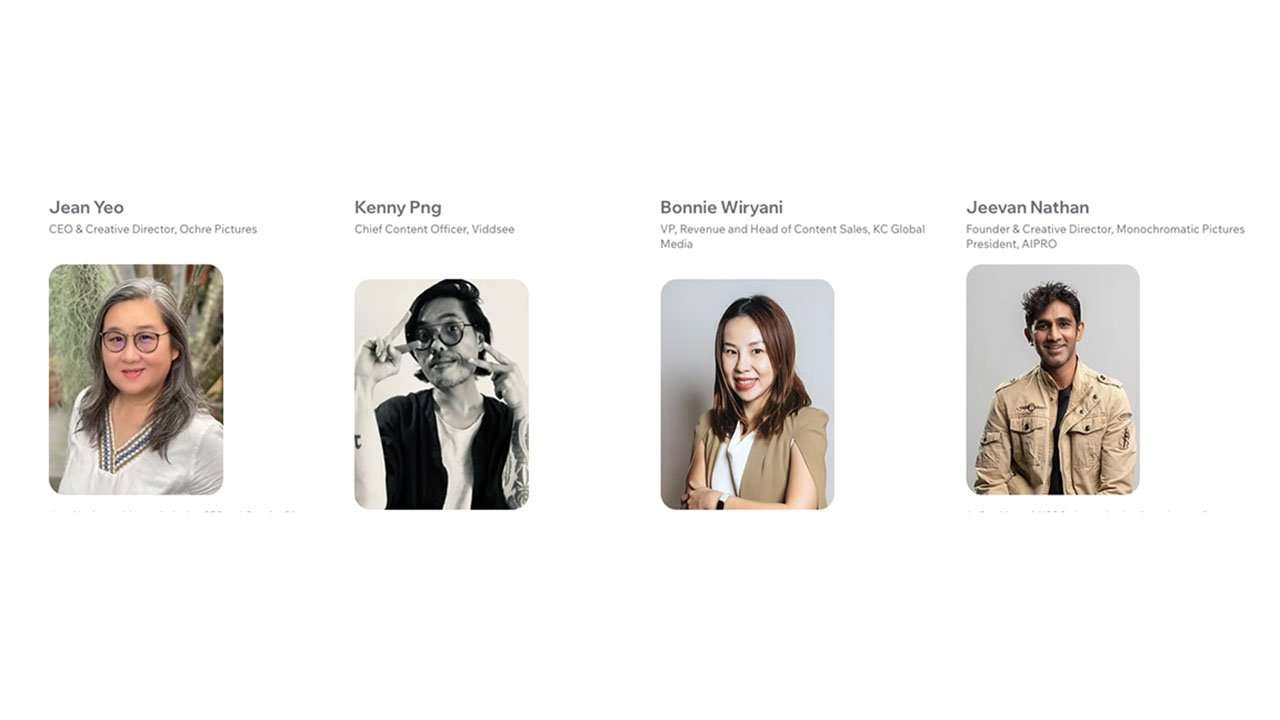
The experts featured in this story bring decades of collective experience to the evolving media landscape. Seasoned veterans and respected leaders in the content industry, they also serve as the distinguished panel of judges for the “Our Singapore, Our Stories” video campaign, an initiative supported by the Infocomm Media Development Authority (IMDA).
About the Author
Lawrence Ng is a veteran TV producer, tech journalist, and entrepreneur with over 20 years of experience in media production. As founder of tech360.tv and long story short, he combines production expertise with a passion for emerging technologies. The opinions expressed in this article reflect the author’s personal views and do not necessarily represent those of the AIPRO.